
Molecular targeting delivers. Light decides where to activate.
GenLumina is developing an ultra-small, DNA-linked silver nanocluster as a light-activated intracellular payload. An antibody, peptide or ligand can provide molecular targeting; GenLumina adds an independent spatial activation layer after the construct reaches the intended treatment area.
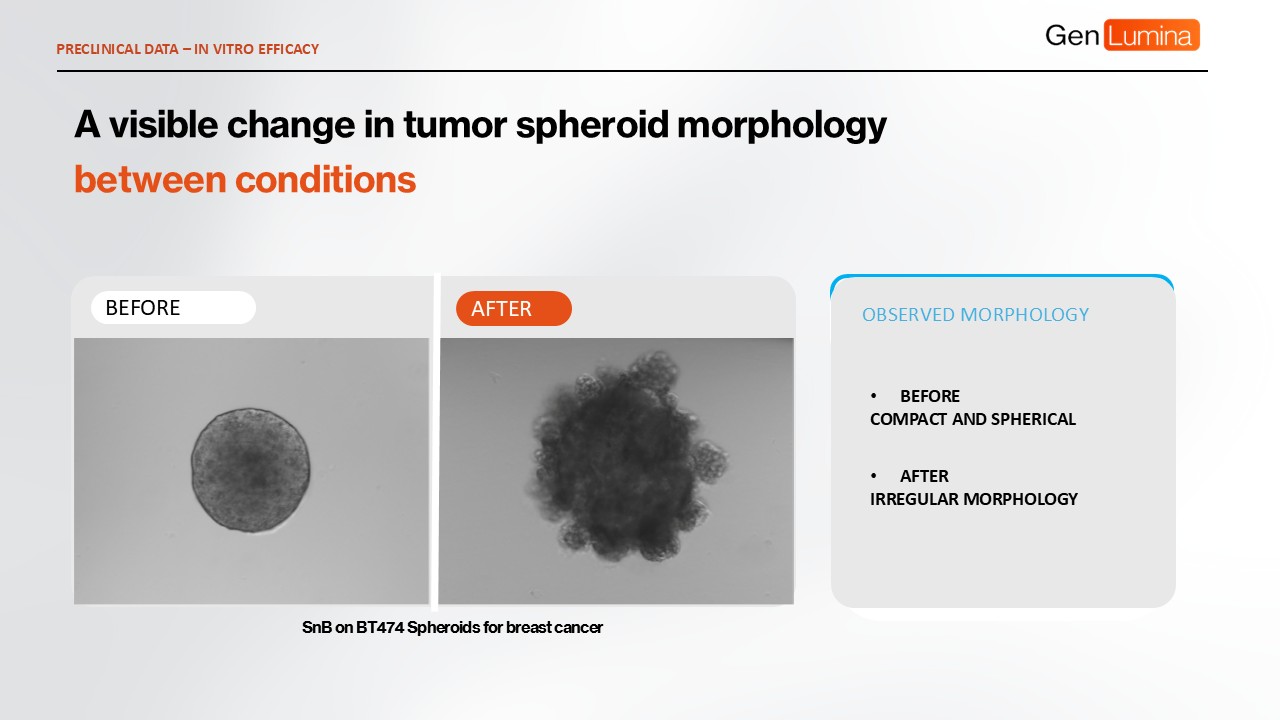
Five steps from payload to controlled impact.
The GenLumina technology separates molecular targeting from payload activation. A targeting molecule can determine which cells the construct reaches; light provides a second, independent spatial control layer over where cytotoxic activity is triggered.
Silver nanocluster
Tiny silver nanoclusters are wrapped in DNA, creating the basis of the proprietary SnB payload.
→Intracellular delivery
The ultra-small 2–3 nm nanoclusters are designed for cellular and intracellular delivery and can reach the nuclear environment.
→Light activation
Specific light activates the construct at the intended treatment location.
→Controlled impact
Activation produces a cytotoxic effect within the illuminated treatment field.
→DNA interaction
Current research investigates how the activated payload interacts with nuclear DNA and drives structural damage associated with cell death.
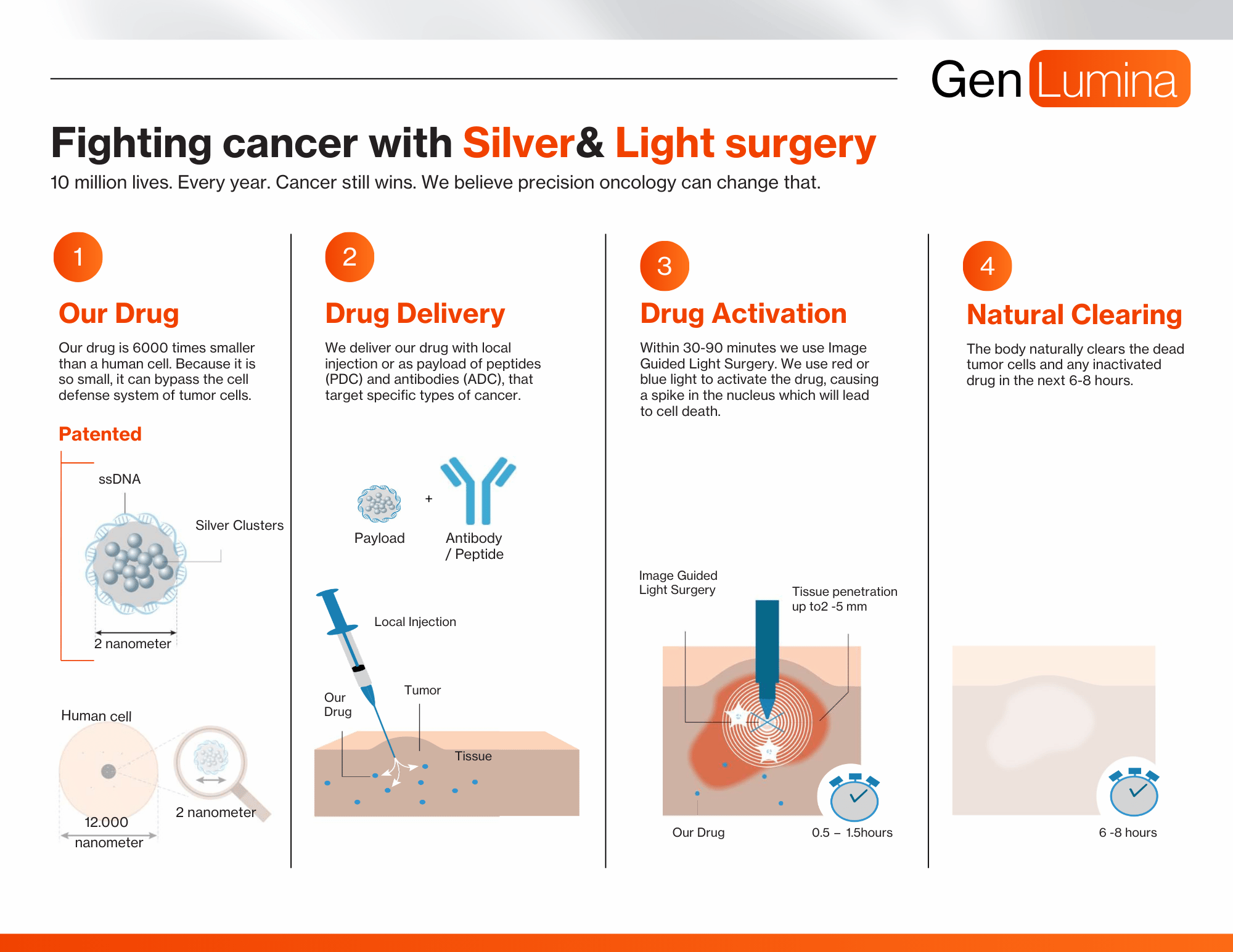
Targeting and payload control are separate layers.
GenLumina provides the controllable intracellular payload. The targeting molecule can be selected independently around a specific tumor target, indication or partner pipeline.
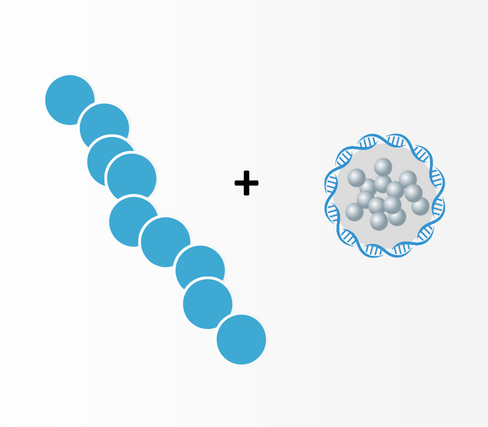
Peptide targeting
A peptide can direct the GenLumina payload toward selected tumor biology while light remains the independent activation switch.
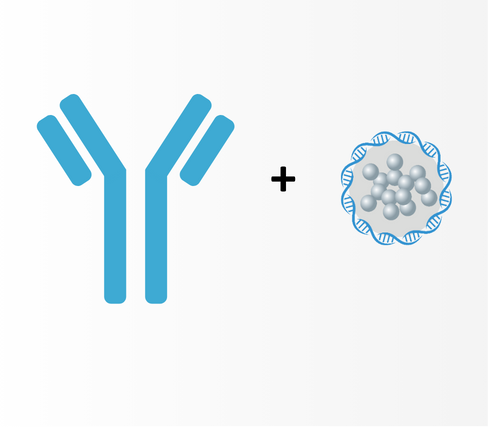
Antibody targeting
An antibody can provide molecular recognition and delivery, with the GenLumina technology acting as the light-activated payload layer.
Other targeting ligands
Additional targeting molecules can be evaluated where conjugation, tumor biology and intracellular delivery make them suitable for a partner-specific programme.
Antibody, peptide or ligand recognizes and delivers toward selected tumor biology.
The proprietary SnB platform provides the cytotoxic payload and conjugation architecture.
Local illumination determines where payload activity is switched on.
From tumor visualization to image-guided activation.
Image guidance is not a molecular targeting modality. It represents a potential later-stage clinical workflow: an imaging system can help identify and localize the tumor, while an additional light channel could provide spatial activation of the GenLumina payload.
Existing imaging infrastructure can become part of the activation workflow.
GenLumina does not need to develop the complete imaging platform. Future medtech collaborations can explore whether an existing hospital imaging system can be complemented with the light-delivery capability required to activate the payload within a defined treatment field.
Use established clinical imaging to identify the relevant anatomy.
Define where local activation is intended.
Explore an additional activation channel compatible with the clinical device and procedure.
Connect image-derived spatial information with controlled GenLumina payload activation.
Demonstrated evidence and ongoing validation.
GenLumina has performed preclinical studies in vitro and in vivo and continues to collect evidence around efficacy, safety, toxicology, biodistribution, clearance, conjugation and reproducibility.
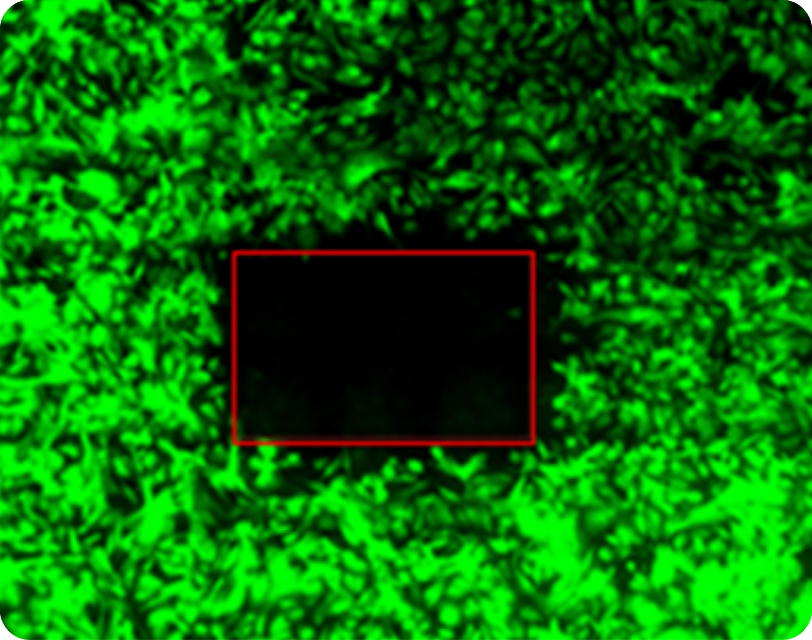
Precision and efficacy
Laboratory studies have shown light-controlled activity in cellular and tumor-model experiments, including targeted and conjugated approaches.
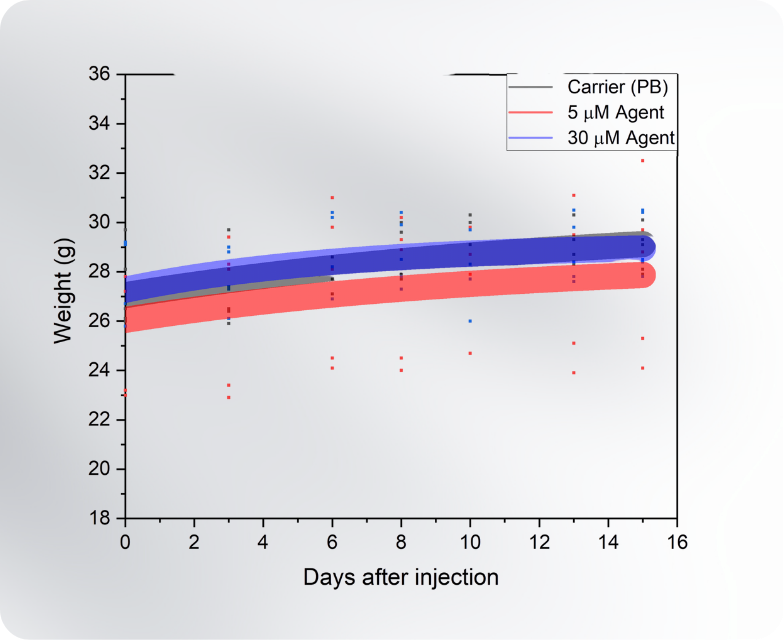
Non-activated safety
Mouse studies support continued investigation of the tolerability and safety ceiling of the non-activated construct.
The scientific questions behind the platform.
Detailed non-confidential answers on payload relevance, silver exposure, photothermal effects, clinical applicability and EpCAM targeting.
Given the availability of many clinically validated cytotoxic payloads, why is GenLumina’s payload relevant?
Resistance remains one of the central limitations of conventional chemotherapeutic payloads in ADCs. Tumors frequently develop biochemical escape mechanisms that enable survival despite continued treatment. Many of these resistance pathways arise because conventional payloads act through single enzymatic targets and depend on systemic exposure and intracellular processing for activity (ref 1). GenLumina’s SnB technology operates through a different mechanism. Upon localized light activation, the ultra-small, DNA-linked silver nanocluster engages directly with DNA at multiple sites within the nucleus, creating a physical and structural blockade rather than relying on inhibition of a specific biochemical pathway.
This differentiated biology is complemented by a purpose-built conjugation architecture. SnB is engineered from the outset for targeted delivery. The payload incorporates a DNA bridge within its DNA shell with an attachment point at its extremity, enabling direct conjugation to targeting moieties via DNA-based linkers. This design supports a potentially simpler and more robust conjugation process.
How does GenLumina address concerns around silver nanoparticles, including SPR, photothermal effects and phototoxicity?
While containing silver, GenLumina’s payload is fundamentally different from conventional silver nanoparticles associated with surface plasmon resonance, photothermal heating and non-specific phototoxicity. The SnB payload consists of few-atom, ultra-small silver-DNA nanoclusters that exist below the size regime required for classical plasmonic behaviour.
At this scale, silver behaves closer to a molecular entity than to a bulk nanoparticle (ref 2). SnB must be present inside a cell to deliver its cytotoxic effect upon irradiation, further limiting off-target activity. Non-activated material is expected to form non-toxic salts that are excreted, based on current preclinical findings.
How does GenLumina address residual silver exposure and long-term safety?
Historical silver toxicity concerns depend on particle size, aggregation, surface chemistry, exposure route and exposure duration. GenLumina’s payload is not designed as a persistent, freely circulating nanoparticle, but as a targeted, light-activated construct for transient local exposure. Current preclinical pharmacokinetic studies indicate a short circulating half-life and rapid clearance within hours.
Ongoing biodistribution, clearance and toxicology studies are intended to characterize these parameters in line with regulatory expectations. Historical regulatory assessments cite a human intravenous LOAEL of 0.014 mg/kg/day associated with argyria following chronic silver administration (ref 4). GenLumina’s current construct contains silver in the order of 100 micrograms; definitive clinical safety margins remain to be established through development.
How can a light-activated therapy be relevant in real-world oncology?
Earlier light-activated modalities such as photodynamic therapy can be limited by complex biological effects and oxygen dependence in hypoxic tumor regions. GenLumina’s SnB approach is designed around direct interaction with DNA in the nucleus and is intended to operate independently of oxygen.
GenLumina benchmarks the approach against approved photodynamic therapies including Foscan (temoporfin) and Photofrin (porfimer sodium), while developing a different activation and payload paradigm (refs 5 and 6). The practical scope will depend on tumor access, targeting, light delivery and evidence generated for each programme.
Why is EpCAM viable in GenLumina’s internal evidence programme?
EpCAM is a well-established marker across multiple solid tumors, including colorectal cancer, and has historically been difficult to exploit as a systemic target because it is also expressed in healthy epithelial tissues (ref 7).
GenLumina’s internal EpCAM programme explores a multi-layer control strategy: EpCAM-directed targeting is combined with local administration and spatial light activation. The programme is intended to test whether these combined controls can improve tumor confinement while reducing off-target exposure. It also serves as an internal evidence programme for the broader payload platform rather than defining the platform’s commercial scope.
References
- Abelman et al., Cancers (2023). “Mechanisms of Resistance to Antibody–Drug Conjugates.” doi:10.3390/cancers15041278
- Shang et al., Nano Today (2011). “Ultra-small fluorescent metal nanoclusters: Synthesis and biological applications.” doi:10.1016/j.nantod.2011.06.004
- Takáč et al., International Journal of Molecular Sciences (2025). “Do We Know Enough About the Safety Profile of Silver Nanoparticles in Oncology?” doi:10.3390/ijms26115344
- International Council for Harmonisation. ICH Q3D(R2): Guideline for Elemental Impurities (2022). Silver monograph, p.71.
- European Medicines Agency. Foscan (temoporfin): EPAR Summary for the Public (2016).
- U.S. Food and Drug Administration. Photofrin® (porfimer sodium) Injection: Prescribing Information (2011).
- Liu et al., Experimental Hematology & Oncology (2022). “Understanding the versatile roles and applications of EpCAM in cancers: from bench to bedside.” doi:10.1186/s40164-022-00352-4
Bring your targeting biology.
A pharma or biotech partner can combine an antibody, peptide or ligand from its own pipeline with the GenLumina payload in a focused preclinical PoC. The partnering model and route toward licensing are described separately.